
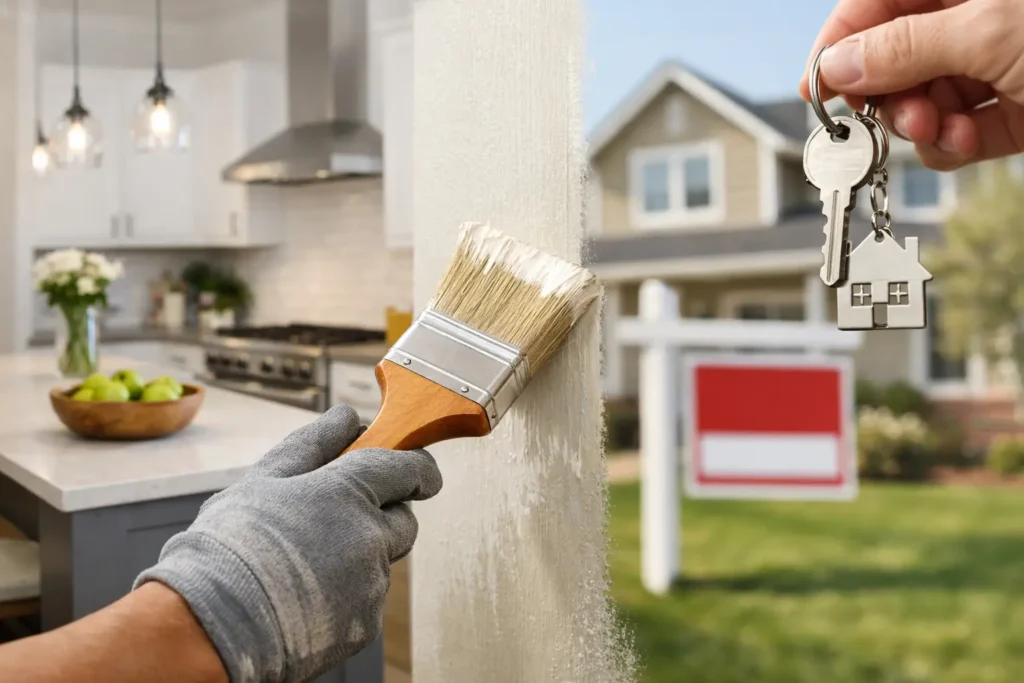
A seller in Minneapolis replaced dated kitchen cabinet hardware, repaired a loose front step, cleaned the gutters, and painted two worn rooms. Another seller on the same block installed premium countertops, custom shelving, and a high-end appliance package. The first home attracted stronger early interest because it felt cared for. The second looked beautiful, but the seller recovered only part of the added cost.
That is the central question behind the best upgrades before home sale: not which project looks most impressive, but which one reduces buyer objections, supports the home’s price range, and fits the local market. The right plan is rarely a full renovation. It is a disciplined investment in condition, presentation, and confidence.
Start With Value, Not a Renovation Wish List
Before approving any work, establish the likely selling range based on comparable homes, current competition, property condition, and neighborhood expectations. A $25,000 kitchen remodel may make sense if nearby buyers expect updated kitchens and comparable homes support the price. It may not make sense if the property is already near the top of its neighborhood’s value range.
Sellers often overinvest because they are fixing frustrations they lived with for years. Buyers see the home differently. They are usually asking practical questions: Is the roof sound? Will the furnace get through another Minnesota winter? Are there water issues? Does the home feel clean, bright, and move-in ready?
Prioritize upgrades that answer those questions well. A pre-sale strategy should also account for the buyer pool. First-time buyers may value a home that feels low-maintenance and financing-ready. An investor may focus more on deferred maintenance, rental rules, repair scope, and projected cash flow. A higher-end buyer may expect elevated finishes, but still expects the basics to be handled.
The Best Upgrades Before Home Sale: Fix the Visible and the Expensive
The strongest improvements tend to fall into two categories: problems buyers can immediately see and problems buyers fear will become expensive after closing. Both can affect showings, inspection negotiations, appraisal concerns, and the overall sense of value.
Address health, safety, water, and mechanical concerns first
Water intrusion, active leaks, damaged exterior surfaces, electrical concerns, foundation movement, and failing mechanical systems should outrank cosmetic projects. These conditions can turn a normal inspection into a difficult renegotiation or cause a financed buyer to question whether the property is worth pursuing.
That does not mean every older system must be replaced before listing. An older furnace that is operating properly is different from a furnace near failure with no maintenance history. A roof with several years of useful life is different from one with active leaks or visibly missing shingles. The practical move is to understand the condition, obtain qualified opinions where needed, and decide whether repair, replacement, disclosure, or an as-is pricing strategy produces the best outcome.
In Minnesota, exterior maintenance deserves special attention. Loose handrails, failing caulk, drainage problems, peeling paint, deteriorated steps, and damaged siding are easy for buyers to notice. They can also raise questions about water management and winter safety. Correcting these items often delivers more value than adding a trendy interior feature.
Improve the first 30 seconds of the showing
Buyers start forming an opinion before they reach the front door. A tidy yard, clear walkway, working exterior lights, a clean entry, and a front door in good condition signal ownership pride. This is not about expensive landscaping. It is about making the property feel cared for and easy to maintain.
Inside, focus on the spaces buyers use to judge the entire house: entryways, kitchens, main living areas, primary bedrooms, and bathrooms. Repair scuffed trim, cracked switch plates, loose handles, stained grout, dripping faucets, and doors that stick. These are small details, but several small defects can make buyers assume larger problems are waiting.
A fresh coat of paint can be one of the most cost-effective upgrades when walls are heavily marked, colors are highly personal, or rooms feel dark. Choose light, neutral colors that work with existing flooring and cabinetry. Neutral does not have to mean sterile. The goal is to help buyers picture their own furniture, routines, and style in the home.
Focus on Kitchens and Bathrooms Without Overbuilding
Kitchens and bathrooms influence perceived value, but they are also where sellers can spend too much too quickly. A full remodel may be warranted in a competitive segment with clearly outdated finishes, poor functionality, or visible damage. More often, a targeted refresh will do more for the budget.
In a kitchen, consider refinishing or professionally painting sound cabinets, replacing worn hardware, updating an outdated light fixture, repairing damaged countertops, and ensuring appliances are clean and working. If appliances are mismatched but functional, replacement depends on the home’s price point and competing listings. Do not install luxury appliances in a home where buyers are primarily shopping for affordability and reliable condition.
Bathrooms respond well to clean, modest improvements. Replace deteriorated caulk, repair tile and grout, update a worn vanity light or mirror, fix leaks, and make sure ventilation works. If a vanity is damaged or excessively dated, a simple replacement may be worthwhile. Major layout changes, however, often bring higher costs and possible permit considerations without a matching return.
Do Not Ignore Cleaning, Light, and Space
Some of the most effective pre-sale work is not technically an upgrade at all. It is preparation. Deep cleaning, window washing, odor removal, decluttering, and selective staging can change how large, bright, and well-maintained a home feels.
Remove excess furniture that makes rooms appear smaller. Clear kitchen counters except for a few intentional items. Organize closets enough to show functional storage. Replace burned-out bulbs and use consistent warm-white lighting. Open blinds for photography and showings when privacy allows.
Odors deserve direct attention. Pet odors, smoke, damp basements, cooking smells, and heavy fragrances can cause buyers to leave quickly. Covering an odor with candles or air freshener is rarely effective. Identify and correct the source through cleaning, ventilation, repair, or professional treatment.
Permits and Documentation Can Protect Your Sale
A well-intended project can create trouble when it was completed without required permits or by an unqualified contractor. Rules vary by municipality, especially for electrical, plumbing, structural, roofing, and mechanical work. Rental properties may also carry separate licensing, inspection, occupancy, or code requirements.
Before listing, gather permits, warranties, service records, contractor invoices, surveys, and receipts for major improvements. Documentation helps buyers understand what was done and when. It also gives sellers a clearer way to answer questions during inspections and negotiations.
If unpermitted work exists, do not assume it will go unnoticed or resolve itself at closing. The right response depends on the scope of work, local requirements, timing, and risk tolerance. In some cases, bringing work into compliance is the best choice. In others, transparent disclosure and a carefully structured sale may be more realistic. This is an area where local guidance matters.
Know When Not to Upgrade
Not every property should be prepared for the traditional retail market. A seller facing major repairs, inherited-property responsibilities, vacancy, financial pressure, tenant issues, or a short timeline may be better served by selling as-is. That route can reduce repair costs, uncertainty, and time on market, though it may also mean accepting a lower offer than a fully prepared retail sale could achieve.
The same principle applies to cosmetic work. If the home needs extensive foundation repair, sewer work, roof replacement, or full-system modernization, spending heavily on decorative finishes first may not be strategic. Solve the highest-impact issue, price honestly, and choose the selling path that matches your goals.
A clear plan should compare the likely sale price after improvements against the cost, timeline, carrying expenses, and risk of doing the work. Team Estates helps Minnesota owners look at those trade-offs from more than one angle, including marketability, repairs, financing, title, and compliance.
The best pre-sale upgrades are the ones that make a buyer feel confident moving forward without asking you to spend blindly. Start with condition, remove obvious objections, present the home with care, and let the property’s price range determine how far the improvements should go.