
A foreclosure can make homeownership feel permanently out of reach, especially when a credit report seems to carry more weight than the progress you have made since. But learning how to buy a house after foreclosure is less about finding a shortcut and more about building a file that clearly shows stability: reliable income, responsible credit use, savings, and a realistic purchase plan.
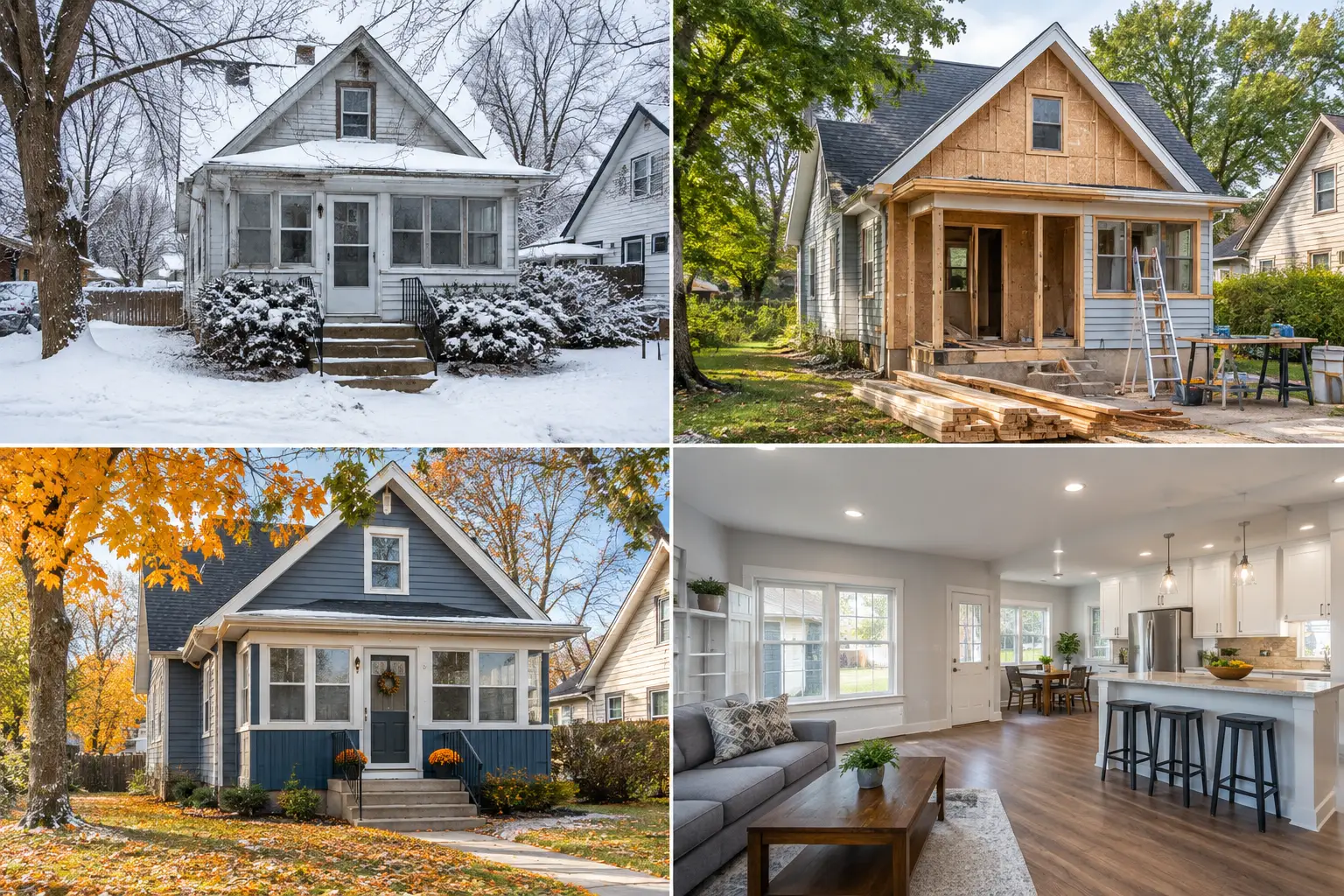
For Minnesota buyers, the path also involves local realities. Property taxes, insurance, winter maintenance, lender requirements, and the condition of older housing stock can all affect what is truly affordable. A successful return to ownership starts by preparing for the home you can sustain, not simply the largest loan you may qualify for.
Start With the Foreclosure Timeline
The waiting period after a foreclosure depends on the mortgage program, the circumstances of the foreclosure, and your overall financial profile. In many cases, conventional financing requires a longer waiting period than government-backed programs. FHA, VA, and USDA loans may offer earlier paths for eligible borrowers, though requirements, lender overlays, and documentation standards vary.
A commonly discussed benchmark is seven years for a conventional mortgage after foreclosure, while certain government-backed options may allow a shorter period. Those timelines are not promises of approval. The date used by a lender may be the date the foreclosure was completed, transferred, or recorded, rather than the date you moved out or stopped making payments.
If the foreclosure happened alongside a bankruptcy, deed-in-lieu, short sale, divorce, job loss, or medical hardship, the timing can become more complicated. Some lenders may consider documented extenuating circumstances, but exceptions are narrow and require a strong paper trail. Do not rely on a timeline from a general online search when you are close to applying. Ask a qualified lender to review the exact dates on your credit and property records.
Rebuild Credit With a Mortgage Goal in Mind
Credit repair after foreclosure is not about chasing a perfect score. It is about showing a consistent pattern of better decisions over time. Mortgage lenders review more than a three-digit number. They look at payment history, debt levels, recent inquiries, collections, income, assets, and whether new problems appeared after the foreclosure.
Start by pulling reports from all three major credit bureaus and reviewing every account. Check that the foreclosure is reported accurately, including the status, balance, and key dates. Dispute genuine errors, but be cautious about companies that promise to remove accurate negative information. No legitimate service can erase truthful credit history simply because it is unfavorable.
Then focus on the factors you can control. Make every payment on time. Keep credit card balances low compared with available limits. Avoid opening multiple new accounts before applying for a mortgage. If you have collections or charge-offs, ask a lender or housing counselor how a payoff may affect underwriting before using savings to settle them. The right move depends on the loan program and the age and type of debt.
A foreclosure does not disappear overnight, but its impact generally becomes less severe as newer positive history builds. A borrower with several years of on-time payments, manageable debt, and stable employment is in a much different position than someone whose foreclosure is still their most recent financial event.
Build a Down Payment, Reserves, and a Realistic Budget
A down payment matters, but it is only one part of mortgage readiness. Buyers returning after foreclosure often focus so heavily on the minimum down payment that they overlook closing costs, inspections, moving expenses, repairs, and emergency savings.
Minnesota homes can bring seasonal and property-specific costs. An older home may need electrical updates, insulation improvements, roof work, drainage corrections, or heating system attention. A condo may have association dues and special-assessment risk. A home with a large lot may require equipment, snow removal, and more maintenance than your budget allows.
Before shopping, create three separate savings targets: your down payment, your closing and move-in costs, and your reserves after closing. Keeping cash after the purchase is not a sign that you could have afforded a more expensive house. It is one of the clearest ways to protect the ownership you worked to regain.
Your monthly housing budget should include principal, interest, taxes, insurance, and any mortgage insurance or association dues. It should also leave room for utilities, maintenance, transportation, food, and existing debt. A lender may approve a payment that feels tight in real life. Your own budget should be the final guardrail.
Choose Financing Based on Fit, Not Just Speed
The best mortgage after foreclosure is the one that fits your eligibility, finances, and long-term plans. FHA financing can be useful for buyers who need a lower down payment or have a recovering credit profile. VA loans can be an excellent option for eligible veterans and service members. Conventional financing may make sense once your credit, down payment, and waiting period support it.
Some buyers also qualify for down payment assistance, first-time buyer programs, or local affordability programs. Eligibility may depend on income, household size, location, purchase price, education requirements, and whether you have owned a home recently. Foreclosure history does not automatically rule out every assistance option, but it can affect mortgage eligibility underneath the program.
Speak with more than one lender if your situation is complex. Ask each lender which loan program they are evaluating, what foreclosure date they are using, whether they have additional rules beyond the basic program guidelines, and what documents could strengthen your application. A clear explanation is more valuable than a quick preapproval that later falls apart in underwriting.
If your financial decisions are guided by faith-based or non-interest financing preferences, begin those conversations early as well. Available structures, property standards, fees, and approval processes can differ from conventional lending, so the home search and financing plan should be coordinated from the start.
Prepare Your Documentation Before You Make an Offer
A buyer who has recovered from foreclosure may face more questions during underwriting than a buyer with a simple credit file. Preparation reduces delays and gives you more control over the process.
Expect to provide recent pay stubs, W-2s or tax returns, bank statements, identification, and documentation for large deposits. Self-employed buyers may need business returns, profit-and-loss statements, and evidence that income is stable. If the foreclosure resulted from a one-time hardship, keep records that explain both what happened and what changed. A layoff followed by stable employment, for example, tells a different story than an ongoing pattern of missed obligations.
Avoid financial surprises while your loan is in process. Do not finance furniture, co-sign for another borrower, change jobs without discussing it with your lender, or move money between accounts without retaining records. Underwriters are not trying to make the process difficult. They need to verify that your finances still match the approval.
Shop for a Home That Supports a Fresh Start
When you are approved, it can be tempting to prove that the foreclosure is behind you by stretching for a larger or more expensive property. That pressure can lead to another difficult cycle. A strong purchase is one that leaves room for life changes, repairs, and future goals.
Pay close attention to inspections, municipal requirements, and title work. In Twin Cities-area communities, rental licensing, permits, code compliance, association rules, and property-use restrictions can matter later if you hope to rent the home, add an accessory space, or use it for a business-related purpose. Even owner-occupants benefit from knowing whether a finished basement, addition, deck, or mechanical update was properly permitted.
An as-is home may appear affordable, but the price should reflect repair scope, safety issues, financing restrictions, and the cost of bringing the property into compliance. Some loan programs have property-condition standards that make major repairs difficult to finance through a standard purchase loan. A lower purchase price is not always a lower-cost decision.
Get Guidance Before the Numbers Become Urgent
Buying again after foreclosure can bring understandable anxiety. A lender conversation, credit review, or homeownership counseling session can feel uncomfortable, but it is far easier to address obstacles before you fall in love with a property.
Team Estates helps Minnesota buyers look beyond the approval letter to consider price, condition, title, repair exposure, local compliance, and the long-term cost of ownership. The goal is not to rush you back into a house. It is to help you return to ownership with a plan that can hold up after closing.
Your foreclosure is part of your financial history, not the full measure of your future. Take the next step that improves your position – verify your timeline, strengthen your credit profile, protect your savings, and buy only when the payment supports the life you want to build.