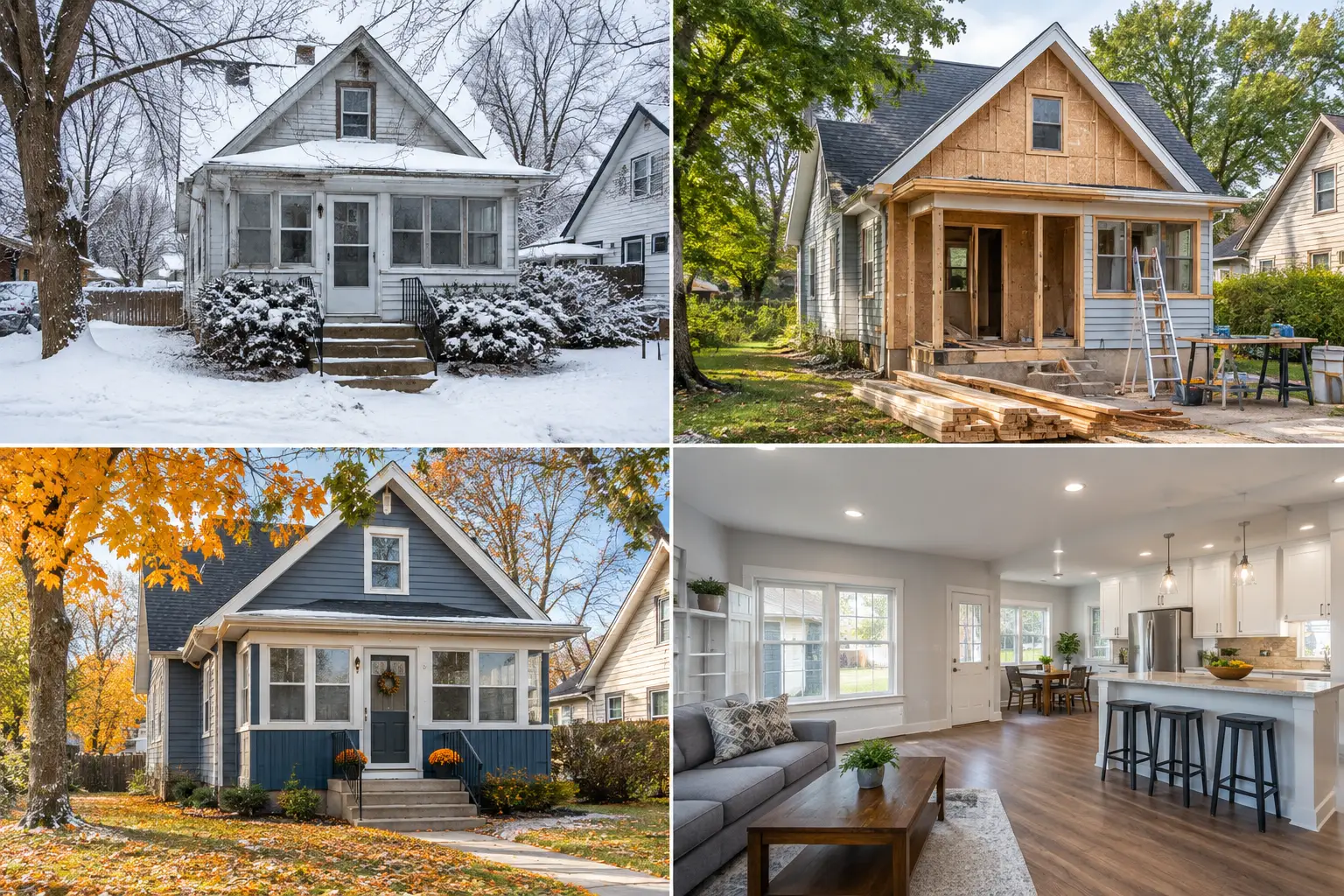

A duplex that looks affordable on paper can become an expensive lesson if the rent ceiling is low, repairs are deferred, or the city’s rental requirements were never factored into the plan. The best Minnesota rental markets are not simply the places with the cheapest homes or the highest advertised rents. They are markets where purchase price, tenant demand, operating costs, local regulations, and your ownership strategy can work together over time.
For some investors, that means a stable Twin Cities suburb with strong employment access and lower vacancy risk. For others, it means a Rochester or St. Cloud property supported by major institutions, or a value-add opportunity in an established urban neighborhood. The right answer depends on whether you are prioritizing monthly cash flow, long-term appreciation, a manageable first rental, or portfolio growth.
What Makes a Minnesota Rental Market Worth Buying In?
A market should earn its place in your investment plan. Start with renter demand, but do not stop there. A property near jobs, schools, health care, transit, and everyday retail may attract applicants more consistently than a similar home in a less convenient location. Demand supports occupancy, yet it does not automatically make a deal profitable.
You also need to compare the all-in cost of ownership against realistic rent. That includes financing, taxes, insurance, utilities you may cover, maintenance, capital reserves, property management, vacancy, and turnover. Older Minnesota housing can offer attractive entry prices, but an aging roof, sewer line, foundation issue, or outdated electrical system can quickly change the return.
Local compliance is equally important. Rental licensing, inspections, occupancy rules, lead-safe requirements, parking standards, zoning, and property maintenance enforcement vary by municipality. Before making an offer, confirm what applies to the specific address and property type. A strong market cannot protect an owner who discovers after closing that a conversion, bedroom count, or rental use is not permitted as expected.
Best Minnesota Rental Markets for Different Strategies
Minneapolis and Saint Paul: Demand With More Hands-On Complexity
Minneapolis and Saint Paul remain important rental markets because they offer deep renter pools, diverse neighborhoods, major employers, universities, health care systems, and transit access. Investors can find opportunities ranging from single-family homes and duplexes to small multifamily buildings, depending on neighborhood and budget.
The trade-off is that these markets require disciplined underwriting and close attention to city requirements. Property taxes, inspection standards, rental licensing, tenant protections, crime patterns, and block-by-block rent differences all deserve careful review. A property one neighborhood over can have a different tenant profile, maintenance expectation, or rent ceiling.
These cities can fit investors who want durable demand and are prepared to operate professionally. They are less suited to buyers hoping for a completely passive investment without allowing for management, compliance, and property-condition realities.
First-Ring Suburbs: Stability and Convenience
Brooklyn Park, Richfield, Columbia Heights, Robbinsdale, Maplewood, West St. Paul, and parts of Bloomington can appeal to investors seeking access to the Twin Cities employment base without focusing only on the core cities. These communities often offer established housing stock, practical commutes, and demand from households seeking more space than an apartment while remaining close to work, schools, and services.
The opportunity is often a well-located single-family home, townhome where rental use is allowed, or small multifamily property. Investors should be especially careful with homeowners association rules, local registration requirements, and the age of major mechanical systems. A lower acquisition price is helpful only if the property does not require immediate large capital expenditures.
First-ring suburbs can be a sensible fit for owners who value steadier tenant appeal and want to avoid some of the operational intensity of a central-city rental. Returns may be more moderate in certain areas, so accurate rent assumptions matter.
Northwest and North Metro: Growth-Oriented Family Rentals
Maple Grove, Plymouth, Blaine, Coon Rapids, Andover, Ramsey, Lino Lakes, and surrounding north metro communities can work well for investors focused on family-oriented rentals. These areas often benefit from access to employment corridors, retail, schools, and newer housing options. Demand may be strongest for clean, well-maintained homes with functional layouts, garages, storage, and outdoor space.
The primary challenge is price. In a higher-cost suburban market, a standard single-family rental may not produce strong day-one cash flow with conventional financing. That does not make the property a poor investment, but it changes the reason for buying. An investor may be pursuing longer-term appreciation, principal reduction, and lower turnover rather than a high immediate yield.
Underwrite conservatively. Do not assume that a desirable suburb allows unlimited rent growth, and do not skip inspection simply because a home appears newer. Drainage, decks, HVAC age, appliance condition, and association restrictions still affect ownership costs.
South Metro: Broad Demand and Multiple Price Points
Eagan, Burnsville, Apple Valley, Lakeville, Savage, Prior Lake, Shakopee, Rosemount, and Farmington give investors a wide range of property types and tenant demand. Access to major roads, business centers, health care, logistics, retail, and growing residential areas can support rentals for families and working professionals.
South metro markets are not interchangeable. Lakeville and Prior Lake may involve higher purchase prices and a more appreciation-oriented strategy. Burnsville, Apple Valley, and parts of Shakopee may present different entry points depending on the property and condition. New construction can compete with older rentals, while older homes may need meaningful updates to meet tenant expectations.
This region often rewards investors who match the property to the likely renter. A three-bedroom home near employment access may perform differently from a large executive-style home with high carrying costs. The goal is not to buy the largest house available. It is to buy a property whose rent can reliably support the full ownership picture.
Rochester: Institution-Driven Rental Demand
Rochester deserves consideration because its economy is anchored by health care, education, and related employers. That can create demand from professionals, students, traveling workers, and households relocating to the area. Investors may find both long-term rental opportunities and specialized demand tied to local employment patterns.
The key is to avoid treating every Rochester property as a premium rental. Location relative to employment centers, parking, layout, furnishing needs, and neighborhood condition all influence tenant demand. Investors considering shorter-term or furnished rental models should first verify applicable city rules, insurance requirements, and operating assumptions.
A traditional long-term rental may provide more predictable operations for an owner who does not want frequent turnover. The right strategy depends on the property, local rules, and how involved you plan to be.
St. Cloud and Sartell: Entry Price and Education Demand
St. Cloud, Sartell, Sauk Rapids, and Waite Park can be appealing to investors looking for a lower-cost entry point than many Twin Cities suburbs. The area’s educational institutions, regional employers, and health care presence can support a varied renter base.
Properties near campuses may offer demand, but they can also bring more frequent turnover, heavier wear, and stricter expectations around leasing and property management. A family-oriented rental in Sartell or a professionally managed small multifamily property may offer a different risk profile than a house marketed primarily to students.
This market can be a practical starting point when the numbers support it, but low purchase price should never replace due diligence. Review lease-up history, neighborhood trends, utilities, deferred maintenance, and local rental requirements before relying on projected cash flow.
How to Choose Between the Best Minnesota Rental Markets
Start with your investment criteria before choosing a city. A first-time landlord may benefit from a straightforward, rent-ready property in a stable neighborhood, even if the projected return is less dramatic. An experienced investor with renovation capacity may intentionally pursue an older duplex or distressed property where improvements can increase rent and value.
Then test the deal using realistic numbers. Use comparable long-term rentals rather than the highest online listing. Set aside reserves for vacancy and repairs. Account for property taxes and insurance at their current likely cost, not a seller’s outdated expense figure. If you plan to use property management, include that cost from day one.
Finally, investigate the address, not just the market. Confirm licensing and inspection requirements with the municipality. Review permits for prior work, zoning for the intended use, utility responsibilities, parking, occupancy limits, and any association restrictions. These details can determine whether a property is truly investment-ready.
A Better Way to Evaluate Your Next Rental
The strongest rental purchase is usually not the one with the most exciting listing language. It is the property where the rent is supportable, the condition is understood, the local rules are clear, and the ownership plan matches your financial goals. For buyers who want a second set of eyes on acquisition, leasing, operations, and long-term strategy, Team Estates can help bring those moving parts into one clear decision.
A Minnesota rental should give you more than a door count. It should give you a plan you can operate with confidence.