
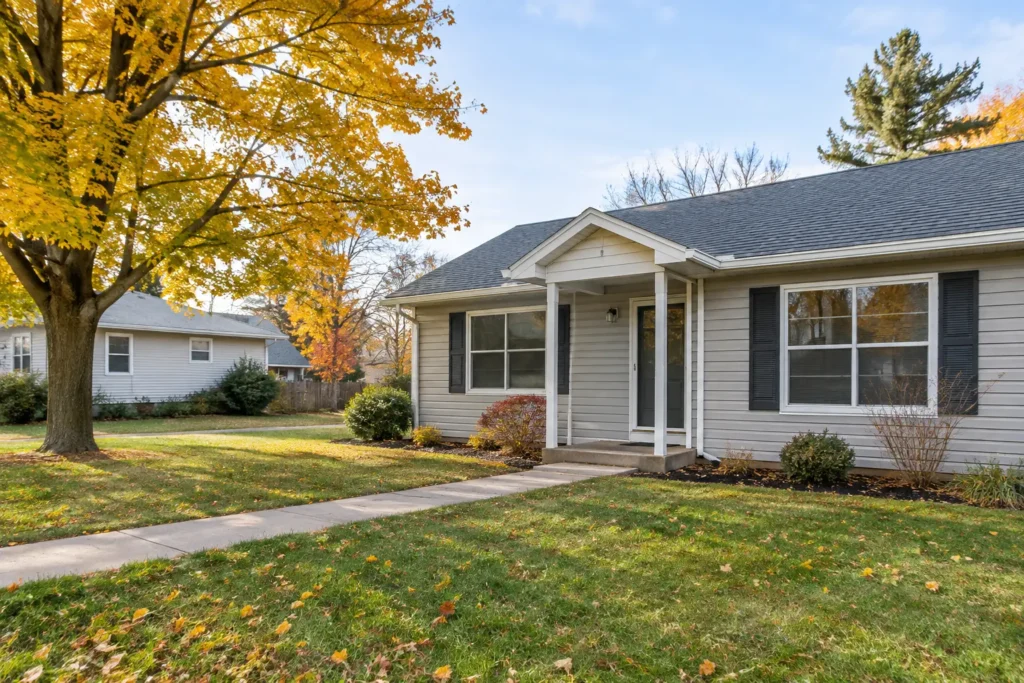
A vacant house can become expensive and stressful faster than many owners expect. The furnace still needs attention, insurance requirements may change, the yard still grows, and an empty home can draw unwanted attention. This vacant property sale example shows how one Twin Cities owner might compare the real choices before deciding what to do.
The point is not that one path is right for every property. A direct sale, an as-is listing, repairs before listing, and holding the home as a rental can each make sense under different circumstances. The best decision usually comes from weighing the property’s condition, the owner’s timeline, available cash, and tolerance for ongoing responsibility.
A vacant property sale example: Four paths forward
Consider a fictional homeowner named Maria. She inherited her father’s Bloomington home after he moved into assisted living and later passed away. The home is paid off, but it has been empty for several months. It needs cosmetic updates, has older mechanical systems, and shows signs of a small roof leak near the garage.
Maria lives outside the metro area, has a full-time job, and does not want to manage contractors from a distance. She also wants to handle the sale carefully because other family members are involved. Before making repairs or accepting an offer, she needs a clear picture of her options.
Option 1: Sell the property directly, as-is
Maria could request a direct cash offer from a local buyer or investment company. An as-is sale generally means the buyer accepts the property in its current condition, subject to the terms of the agreement and their inspection process. Maria would not need to coordinate painting, flooring, roof work, or a traditional marketing campaign before deciding whether to proceed.
The main benefit is simplicity. A direct sale can reduce the number of showings, repair decisions, and moving parts. It may be especially useful when a home is vacant, needs substantial work, has items left behind, or must be handled from out of town.
The trade-off is that a buyer taking on repairs, uncertainty, and resale risk will usually build those costs into their offer. A direct cash offer may be a good fit when Maria values convenience and a more predictable process over pursuing the highest possible market exposure. It may not be the best fit if the home needs only modest work and Maria has the time and resources to prepare it for a wider buyer pool.
Maria should also understand what “cash” means in practical terms. It typically means the buyer is not relying on a traditional mortgage to purchase the home. It does not mean every transaction is automatically risk-free or that the owner should skip reviewing the contract, title process, or closing terms.
Option 2: List the house as-is on the MLS
The MLS, or Multiple Listing Service, is the system real estate professionals use to market homes to other agents and their buyers. Maria could list the property for sale while clearly disclosing that it is being sold in its present condition.
This route can bring the home in front of more buyers, including owner-occupants, investors, and buyers looking for a project. Wider exposure can be valuable when the home is in a desirable location or has features that buyers may appreciate despite the needed work, such as a larger lot, good layout, or proximity to parks and schools.
But an as-is MLS listing is not the same as a hands-off sale. Buyers may still ask questions, request inspections, seek concessions, or decide not to move forward after learning more about the home. Maria would need to keep the house accessible, presentable enough for showings, insured, secured, and maintained while it is on the market.
For a vacant home, the condition of the property can change quickly. A water issue, frozen pipe, break-in, or maintenance problem can affect both the home and the transaction. If Maria chooses this path, she should have a practical plan for regular check-ins, snow removal, lawn care, utility management, and prompt response if something goes wrong.
Option 3: Make repairs, then list traditionally
Maria could invest in repairs and updates before putting the property on the market. Depending on the home, that might include correcting the roof leak, fresh paint, flooring, cleaning, landscaping, and selective kitchen or bathroom improvements.
This approach can make sense when the work is targeted and likely to improve buyer confidence. Many buyers can look past dated finishes, but visible water damage, safety concerns, deferred maintenance, and a poorly maintained exterior can narrow the buyer pool. Repairs may also make the home easier for buyers using financing, since some lenders and appraisers may raise concerns about serious condition issues.
The risk is spending money without a guaranteed return. Not every improvement produces a dollar-for-dollar increase in sale proceeds. Major remodeling can be particularly difficult to justify when the owner is trying to sell quickly, when the property has broader issues beyond cosmetics, or when family members disagree about how much to invest.
Maria should separate necessary repairs from optional upgrades. Fixing an active leak is different from installing premium finishes. A clear property assessment can help her identify what protects the home, what improves marketability, and what may simply add cost and delay.
Option 4: Keep the home and turn it into a rental
Because Maria’s father’s home is in a location with rental demand, she could consider keeping it as a rental property instead of selling. This may appeal to an owner who wants future income or believes the property could support a longer-term family wealth plan.
Yet a vacant inherited home does not automatically make a good rental. Before moving forward, Maria would need to evaluate the required repairs, expected operating costs, local rental licensing or registration requirements where applicable, insurance, property management, and the time involved. Rental income is not the same as profit. The property will still need reserves for maintenance, vacancy periods, turnover, and unexpected repairs.
Professional property management can reduce the day-to-day workload, but it does not remove ownership responsibilities or financial risk. For Maria, keeping the home might be sensible if the numbers, property condition, and family goals align. If she wants a clean transition and no ongoing management, selling may be the better strategic choice.
How Maria compares the options
The most useful comparison is not just the possible sale price. Maria needs to compare net results, effort, timing, and risk. Net results means what remains after considering the costs required to reach the finish line, such as repairs, carrying costs, insurance, utilities, maintenance, and transaction-related expenses.
She also needs to consider her own capacity. An owner with cash available, contractor contacts, and flexibility may reasonably choose repairs and a traditional listing. An heir living several states away may place much more value on reducing uncertainty and avoiding months of coordination.
Family dynamics matter too. When a property is part of an estate, trust, or probate process, the person handling the transaction may have responsibilities to other beneficiaries or decision-makers. The appropriate process depends on the ownership structure and authority to sell. A qualified attorney or estate professional can explain the legal requirements for a specific situation.
Questions to answer before choosing a sale strategy
Before Maria commits to a path, she should get clear answers to a few practical questions:
- What repairs are urgent, and what work is optional?
- How much will it cost to keep the property vacant for the next several months?
- Who will check on the home, handle seasonal maintenance, and respond to problems?
- Is there a realistic rental plan, including compliance and ongoing management?
- Does the owner need speed, maximum market exposure, less responsibility, or some balance of all three?
These questions keep the decision grounded. They also help avoid a common mistake: choosing a sale method based on one attractive number while overlooking the work, costs, and risk attached to it.
Vacant homes need a short-term protection plan
Even when an owner expects to sell soon, the home should not be left unattended. Minnesota weather makes this especially relevant. Owners should confirm that insurance remains appropriate for a vacant property, keep utilities managed according to the home’s needs, secure doors and windows, and arrange for routine property checks.
Seasonal work matters as well. Snow removal, lawn care, mail collection, and visible upkeep can protect the property’s condition and presentation. If the home has a sump pump, older plumbing, or heating concerns, regular monitoring becomes even more important. A small issue caught early is often easier to address than damage discovered weeks later.
Maria does not need to decide alone or rush into the first offer. A good next step is to gather an as-is offer, a realistic repair-and-list assessment, and a rental analysis, then compare them against her actual goals. Team Estates can help Twin Cities owners review those options clearly, so the decision reflects the property, the timeline, and the owner’s broader plan.