A $325,000 home can feel very different from one Minnesota household to the next. The purchase price matters, but so do the interest rate, property taxes, insurance, association dues, utility costs, and the repairs waiting behind an attractive listing photo. Housing affordability trends Minnesota buyers face are no longer explained by the listing price alone.
For buyers, sellers, landlords, and investors, the useful question is not simply whether homes are becoming more or less affordable. It is where affordability is changing, what is driving the change, and whether a property supports the owner’s next five to 10 years. A clear answer requires looking beyond statewide headlines and into local inventory, financing, condition, and ownership costs.
What Is Driving Housing Affordability Trends in Minnesota?
Minnesota affordability is shaped by two forces moving at the same time: the cost to buy and the cost to own. When mortgage rates rise, the monthly payment can increase even when home prices level off. When rates ease, more buyers may return to the market, which can place renewed pressure on limited inventory. Neither shift automatically makes a particular neighborhood affordable.
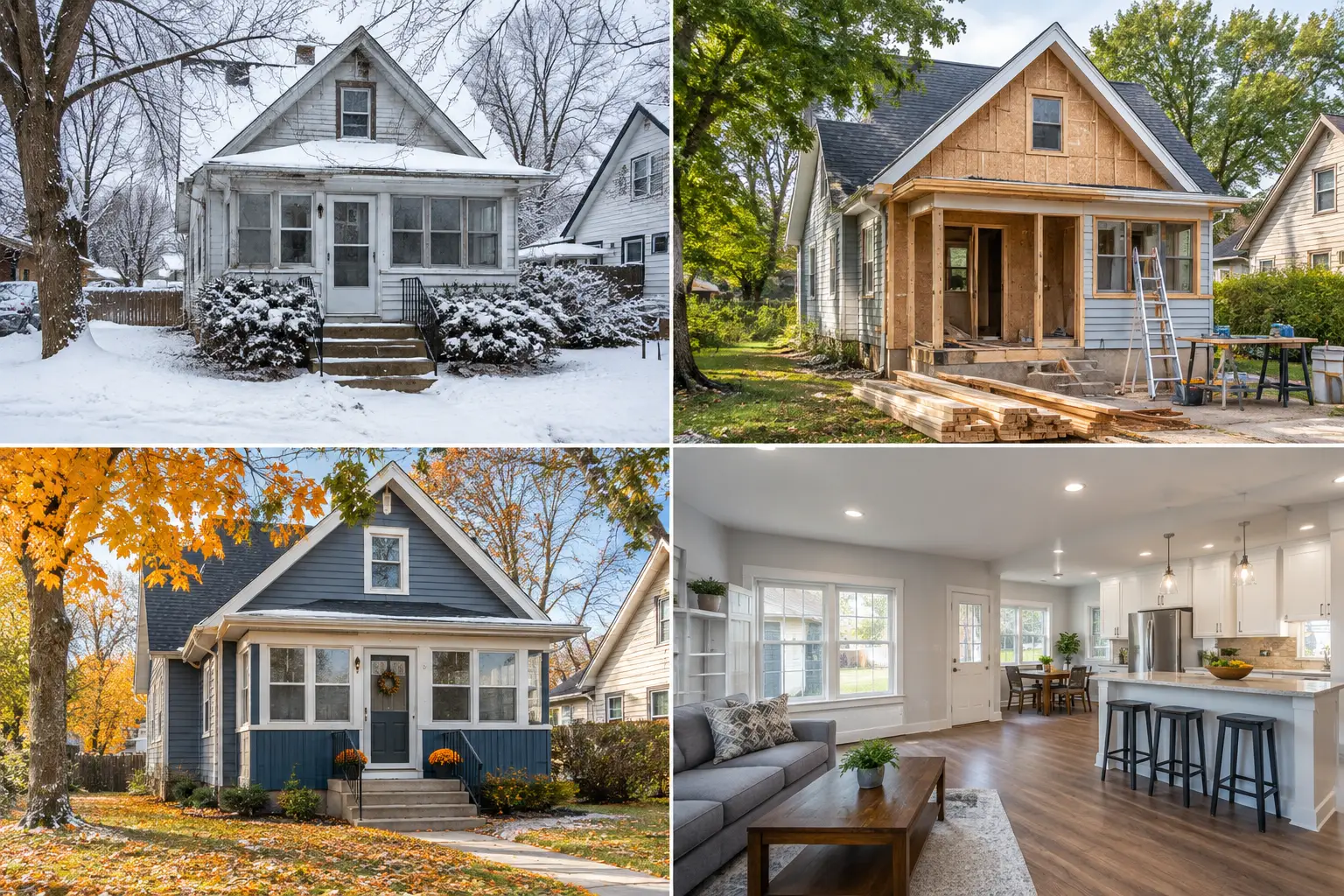
Supply is equally important. In many Twin Cities and surrounding markets, move-in-ready homes in practical price ranges attract strong attention because buyers want fewer repair surprises and more certainty. At the same time, older homes may look less expensive upfront but require major work on roofs, mechanical systems, windows, drainage, electrical panels, or code items. The lower asking price is not always the lower-cost decision.
Property taxes and insurance deserve the same attention as the down payment. Tax assessments can change, and insurance pricing may vary based on the home’s age, claims history, roof condition, location, and coverage needs. A buyer who qualifies for a loan can still become payment-stretched if those ongoing costs were not included in the planning.
Local differences are meaningful. A buyer comparing Minneapolis, Brooklyn Park, Blaine, Eagan, Maple Grove, Rochester, or St. Cloud may find different inventory levels, tax profiles, commuting trade-offs, rental rules, and renovation opportunities. County-level data offers a broad direction, but a practical decision often comes down to the block, property type, and condition of the home.
The Monthly Payment Has Become the Real Price
Buyers naturally focus on what they can offer. Lenders and household budgets focus on what the home will cost every month. That distinction is central to current affordability.
A smaller loan with a higher rate may carry a payment similar to a larger loan obtained when rates were lower. Add taxes, homeowners insurance, private mortgage insurance where applicable, and homeowners association dues, and the total can exceed a buyer’s comfort range quickly. For condominiums and townhomes, association dues may provide genuine value through exterior maintenance or shared amenities, but they must be evaluated alongside the mortgage payment and the association’s financial health.
The right affordability target is therefore not always the maximum approved loan amount. Buyers should leave room for maintenance, moving costs, emergency savings, future family needs, and ordinary life expenses. A payment that only works under perfect conditions can turn a promising purchase into a source of pressure.
This does not mean buyers should wait indefinitely for an ideal market. It means they should understand the trade-off. A home purchased at a manageable payment with a realistic plan may be stronger than a larger home that consumes every available dollar. If rates improve later, refinancing may become an option, although it is never guaranteed and should not be the sole reason to buy.
Cash to Close Still Changes the Conversation
Affordability includes upfront cash, not just the monthly payment. Closing costs, prepaid taxes and insurance, inspection expenses, appraisal-related costs, and immediate repairs can affect how much cash a buyer needs. Down payment assistance or certain loan programs can help qualified buyers, but each program has its own requirements, property standards, income limits, and long-term considerations.
For entry-level buyers, building credit, reducing high-interest debt, documenting stable income, and preserving savings can improve options more than chasing every small movement in mortgage rates. Mortgage readiness is not one score or one bank statement. It is the ability to make a purchase with enough margin to keep the home after closing.
Inventory Creates Different Opportunities for Different Buyers
Limited inventory can make a clean, well-priced home feel competitive. Buyers may be tempted to waive inspections, overlook deferred maintenance, or stretch beyond their budget to win. Those decisions carry risk, particularly in older Minnesota housing stock where hidden water issues, aging sewer lines, foundation concerns, or outdated electrical work can become expensive.
A better approach is to separate inconvenience from material risk. Cosmetic updates, dated cabinets, and worn flooring may be manageable if the home’s major systems and structure are sound. A property with unclear permits, moisture damage, significant code issues, or unsupported improvements deserves deeper review. The goal is not to avoid every imperfect home. It is to price the risk honestly.
Sellers also need to understand this divide. A property that is clean, documented, and realistically priced can appeal to affordability-minded buyers even without a full renovation. Repair receipts, permit records, utility information, and a transparent explanation of known conditions help buyers evaluate the true cost of ownership. For sellers facing major repairs, inherited-property decisions, or a tight timeline, an as-is sale may be a reasonable path if the price reflects the condition and the seller understands the alternatives.
Affordability Is Not the Same as Cheap
For investors and landlords, a lower acquisition price does not automatically produce a better investment. Rental licensing, local inspection standards, zoning, insurance, maintenance reserves, vacancy risk, property management, financing costs, and tenant demand all influence whether a property can support itself.
This is especially relevant in cities with specific rental licensing and code enforcement requirements. Before purchasing, investors should verify the property’s permitted use, licensing status, occupancy rules, inspection history, and any repair obligations. A duplex or single-family rental can appear attractive on a spreadsheet while carrying deferred maintenance or compliance work that changes the return materially.
The same principle applies to owner-occupants considering house hacking or purchasing a multi-unit property. Rental income can help offset housing costs, but it is not automatic income. Owners need to account for turnover, repairs, lease compliance, screening practices, and the possibility of vacancy. Conservative assumptions create better decisions than optimistic projections.
Practical Moves for Minnesota Buyers and Owners
Affordability improves when decisions are made early rather than under contract pressure. Start with a complete monthly budget that includes a maintenance reserve. Review your credit and debt profile before shopping seriously. Compare loan structures based on total cost and flexibility, not only the advertised rate.
Then define what is truly nonnegotiable. For one household, it may be a school district, proximity to work, or multigenerational space. For another, it may be a lower payment, a home office, or the ability to add value through repairs. Being specific helps buyers recognize when a less obvious neighborhood, property type, or condition level offers a better fit.
Owners who feel payment pressure should avoid assuming that a fast sale is their only option. Depending on the property, equity position, timeline, and condition, choices may include a traditional sale, a structured as-is sale, renting the property, refinancing if appropriate, or simply creating a plan before acting. The right path depends on the numbers and the legal, tax, and family considerations involved.
Make the Decision Before the Market Makes It for You
Housing affordability will continue to shift with rates, inventory, construction costs, local demand, and household income. What remains consistent is the value of preparation. Buyers who understand their full ownership cost can negotiate with more confidence. Sellers who understand a buyer’s affordability constraints can position a home more effectively. Investors who underwrite conservatively can protect cash flow when conditions change.
Team Estates helps Minnesota clients move from broad market concerns to property-specific decisions, including financing readiness, condition review, local compliance, acquisition strategy, and long-term ownership planning. The strongest next step is usually not a rushed offer or a prediction about next year’s rates. It is a clear, honest look at what the property will require and what it can realistically support.